Categoría: Concepts and trends

  • Permanent makeup, from the 1990s, is making a comeback as a popular aesthetic treatment.

    Permanent makeup, from the 1990s, is making a comeback as a popular aesthetic treatment.

    The list of permanent or semi-permanent cosmetic procedures seems to be growing in favor on social media, from micrograyling and microblading to sweet lips and lip blushing. Permanent makeup, whether for the brows, lips, or eyes, is in line with the desire for simpler beauty regimens that save time and allow for a natural appearance with no effort.

    Many women’s beauty routines were disturbed as a result of the pandemic’s lockdowns and mask wearing. Lipsticks, contouring, and other procedures for achieving a flawless complexion are no longer used. The focus has turned to skincare, which has replaced cosmetics that were designed to hide a variety of flaws rather than improve skin texture. Even though wearing a mask is no longer required in many nations throughout the world, the tendency appears to be continuing beyond the epidemic.

    These improvements have aided in the revival of a style that was considered to have died out: permanent makeup. Permanent makeup techniques, which were popular in the 1990s, are now again gaining popularity among individuals seeking a more natural beauty look. That may seem counterintuitive, but it makes sense. It’s no longer about spending hours in the bathroom applying layers of foundation, concealer, and other correctors; instead, it’s about complementing the eyes and mouth with flawlessly formed — and delicately colored — brows and lips.

    Dermopigmentation 

    Permanent makeup is more akin to the art of tattooing than it is to makeup, with one major exception: it frequently uses dermopigmentation. In other terms, it entails injecting a colored material — a pigment — into the surface layer of the dermis (or skin) using micro-needles, which is significantly less deep than a tattoo and hence less permanent because pigments disintegrate with time. It’s most commonly used to add color to a specific region, such as sparse brows, redrawing the lip contour, adding color to pale lips, or even enhancing the eyes.

    Although permanent cosmetics may have frightened many individuals in the 1990s, procedures have improved in recent years to provide a more natural — and discrete — effect. Gone are the days of leaving a beauty salon with frozen-in brows or, worse, a lip outline that contrasts dramatically. Today’s objective is to save time by focusing on pale tones and creating a natural yet enhanced appearance, allowing you to skip a few steps in your daily routine without going crazy. Today’s experts, who now provide all of these services, are fully aware of this notion.

    From thicker brows to freckles, there’s something for everyone. 

    Permanent makeup procedures are numerous and varied, but many of them involve the use of brows. Microblading (1.8 billion views on TikTok) is probably one of the most popular treatments, as it can successfully contour and thicken brows according to the desired outcome by reproducing a hair-like look using pigments. Microshading, on the other hand, employs pin-like dots to create a powderier finish, similar to that of an eyebrow pencil. Micrograyling, a more contemporary treatment that operates on the same principle, is intended for those who have a more complicated natural brow shape and just wish to lessen the sparse look.

    Permanent cosmetics, on the other hand, is an excellent ally for ladies whose lip contour has faded over time. Candy lips is one of the most popular treatments, which uses micropigmentation to redraw the shape of the lips while simultaneously adding color, providing a more voluminous impression. Some people also utilize it to fix any imbalance. If you want to take it a step further, you can now have a permanent eyeliner line, or even an eyeshadow look, done in only a few sessions, or even add a few freckles here and there, in keeping with a current trend.

    Permanent makeup, on the other hand, has the drawback of lasting longer than trends. While permanent makeup fades over time — the length of time depends on a variety of factors such as age or sun exposure — one should still consider twice before committing. While thick brows have been popular for some years, there have been various attempts in recent months to bring slim brows back into style.

  • Men are becoming more interested in manicures, and it’s not just because of social media.

    Men are becoming more interested in manicures, and it’s not just because of social media.

    Women aren’t the only ones who want to paint their nails bright, crimson, or black, or get a chic French manicure. Manicures, like facials, waxing, and haircare procedures, appear to be something guys appreciate as well, and not only on social media. 

    Manicures appear to be gaining popularity among men. And, while rappers, singers, and other well-known entertainers started the trend, a new generation of males is standing up to prove that manicured and colored nails aren’t just for women.

    Self-affirmation and self-expression 

    Beauty, like fashion, is evolving into a new kind of self-expression that appeals to both men and women. Despite the efforts of pioneering artists and celebrities such as David Bowie and Johnny Depp, who experimented with more androgynous styles, the 2020 decade may appear to be a true turning point, with a real blurring of gender lines, particularly in the cosmetics sector.

    Treatwell, a European online beauty booking company, released a poll in March that showed these shifts. According to the report, three out of ten French men are eager to receive a manicure and pedicure, and manicures are one of the most popular treatments for males. Prior to the holiday season, the specialty site observed a 23 percent rise in nail care. Overall, these data indicate that such services are addressing men’s new needs.

    Harry Styles, Lil Nas X, and the rest of the gang 

    Men’s manicures have lately become part of the routine for several celebrities, ranging from the catwalks to the red carpets, to the music business, and even street trends, helping to make male nail care more popular globally. We’re not talking about black nails, which are frequently associated with the punk or grunge image, but rather colorful nails or nails with various designs. Harry Styles, as is customary, emerges as one of the industry’s leaders, frequently posing or stepping out with flawlessly manicured and painted nails.

    He is not, however, alone. ASAP Rocky, Lil Nas X, J. Balvin, Bad Bunny, Pete Davidson, Jared Leto, Marc Jacobs, and Machine Gun Kelly are among the many males who have shown up with their nails painted in a variety of colors. 

    UN/DN LAQR, the latter’s own brand of unisex nail polish, reflects the popularity of this trend, which appears to be on its way to becoming a norm outside of social media.

  • Dermatologists Offer 5 Essential Summer Skincare Tips

    Dermatologists Offer 5 Essential Summer Skincare Tips

    Clear, glowing skin is undoubtedly on your summer beauty wish list. Hot weather, humidity, and excessive sun exposure, on the other hand, can cause sweat-induced blocked pores, sunburns, and dark spots if you don’t take steps to prevent these typical summer skin issues in your skincare regimen. 

    The proper skincare regimen will work for you year-round if you stick to it, but there are a few modifications you can make to help reduce the seasonal side effects of summer on your skin.

    And who better to turn to for skincare advice than dermatologists? We spoke with three leading dermatologists to get their best summer skincare recommendations. Continue reading to learn how to keep your skin looking great all summer long – and beyond. 

    1.Increase the use of  sun protection factor (SPF) 

    Dermatologists believe that UV protection is the most critical element in any skincare routine all year, but especially during the summer when the days are longer and you will surely spend more time in the sun.

    «SPF should be applied every day to exposed regions — which commonly include the face, neck, chest, ears, and hands — and it is especially vital to reapply every two hours, or sooner if swimming or sweating,» says Dr. Marisa Garshick, a board-certified dermatologist in New York City. She advises a powder sunscreen like Colorescience Sunforgettable Total Protection Brush-On Shield SPF 50 or an SPF compact like Avène’s Mineral Tinted Compact SPF 50 if you need to reapply on the move.

    It’s also important to use enough sunscreen to achieve proper protection. «When applying sunscreen to your face and neck, use two fingers,» recommends Dr. Karan Lal, a board-certified dermatologist in New Jersey. «Every day, apply one strip of sunscreen to your index and middle fingers, which is the recommended dosage for the face. When it comes to exposed portions of the body, a shot glass quantity is sufficient.»

    Furthermore, Dr. Melanie Palm, a board-certified dermatologist and the creator of Art of Skin MD in Solana Beach, California, recommends using SPF 30 or higher sunscreen and taking into account the time of day you spend outside. «For outdoor activities, seek cover and avoid being in direct sunshine between 10 a.m. to 4 p.m., when UV rays are at their strongest,» she advises.

    In addition to sunscreen, you should consider wearing UPF 50 or higher clothes or taking a supplement that boosts UV radiation protection. Heliocare, which contains the herb polypodium leucotomos, is mentioned by Dr. Palm.

    2. Use a Lighter Moisturizer 

    Even if you sweat more in the summer, you still need to hydrate your skin. However, because seasonal dryness isn’t as widespread in the summer as it is in the winter, you won’t require a heavy cream. 

    «I’m all about ditching the petrolatum and heavy moisturizers in favor of light hyaluronic acid-based moisturizers,» Dr. Lal explains. «These moisturizers keep your skin hydrated without making you feel greasy or heavy.»

    3. Ensure that your items are non-comedogenic. 

    In the summer, clogged pores can contribute to outbreaks. Using non-comedogenic skincare and cosmetics products is a simple approach to keep perspiration and oil out of your pores. 

    «I recommend looking for non-comedogenic goods,» adds Dr. Palm, which means items that don’t trigger or contribute to breakouts. «During the summer, stay away from very hydrating or greasy formulas.»

    Those with acne-prone or oily skin might use chemicals like salicylic acid, benzoyl peroxide, sulfur, or niacinamide in their regimens to help keep pores free. «All of these substances are anti-inflammatory and assist with acne,» Dr. Palm adds. «Ask your doctor if you’re pregnant or nursing because some of these aren’t safe to use.»

    4. Wash Your Face Correctly 

    «Because you’ll be sweating more throughout the summer months owing to outdoor activities or simply being more active,» Dr. Palm advises, «I also recommend cleaning your face up towards your hairline – this area is often disregarded, resulting in breakouts around the hairline or the outside borders of your face.» 

    «This is when the heavy weapons, like benzoyl peroxide and salicylic acid-containing washes, come out,» Dr. Lal says. «These cleansers will clear your pores while also killing acne-causing germs,» says the author.

    5. Retinoids should be used in moderation. 

    While there are no components that should be avoided during the summer, you may need to change how you utilize them. One such component is retinoids. 

    «Summer is when folks start to notice greater retinol/retinoid discomfort. Retinols and retinoids increase your sun sensitivity «Dr. Lal elucidates. «As a result, I recommend either limiting the frequency of usage or using sunscreen more aggressively.» 

    However, you can continue to utilize any retinoid or retinol if you apply sufficient sun protection.

  • Kantar discovered that the epidemic has changed people’s beauty habits.

    Kantar discovered that the epidemic has changed people’s beauty habits.

    COVID- According to Kantar, 19 pandemic lockdowns and the resulting shift in work-from-home culture have revolutionized the beauty sector. The quantity of items consumed has reduced dramatically, as customers prefer premium, natural, and environmentally friendly products.

    Kantar analyzed the purchase habits of more than 300,000 individuals and households in 20 countries and women’s daily usage habits across seven major economies to understand the impact of two years of coronavirus lockdowns, shifting priorities, and the continuation of the work-from-home culture in their report, ‘On Trend: The Evolving Beauty Consumer.’

    Cosmetics usage is decreasing.

    Kantar data reveals a dramatic drop in weekly cosmetics consumption in every market, with weekly usage down an average of 28% compared to pre-pandemic levels and down 31% compared to five years earlier, as women opt for simpler regimens. The trend is especially noticeable among European beauty consumers, who have reduced their usage of face and lip make-up year over year.

    According to the report, more customers are choosing for fewer, higher-quality usage occasions. Fewer, long-lasting cosmetic products that can be applied swiftly are now the focus.

    According to Kantar, the increased use of premium beauty products, along with a jump in demand for natural beauty products, which increased from 18 percent of sales in 2017 to 24 percent of sales in 2021, helped the industry rebound to pre-pandemic revenue levels.

    The hair care industry is expanding.

    During the epidemic, the percentage of women who choose to keep their hair longer increased from 58 percent in 2017 to 62 percent in 2021, on average. Women, on the other hand, decided to wash their hair less regularly, dropping nearly 10% in five years to 2.8 times per week on average.

    Despite dropping usage, hair conditioners and treatments climbed in sales value, delivering a 5% increase in 2020 (compared to 2019) and a 7% increase in 2021, illustrating the premiumisation trend (compared to 2020).

    The demand for specialised haircare remedies to aid in hair development has sparked the premiumisation trend. For example, products that address particular hair problems like hair loss and dandruff have expanded at a rate five times faster than the entire shampoo industry.

    The environmental consciousness shift

    Another underlying trend seen by Kantar is customers’ rising awareness of sustainability and safety risks when it comes to beauty goods.

    As a result, face and body products derived from organically produced components accounted for 24% of sales in 2021, up from 18% in 2017. The highest growth occurred in France, where customers increased from 23% in 2019 to 32% in 2021.

    Kantar further stated that environmentally conscious consumers are prepared to pay a premium for sustainable and natural items. Eco-active households spend more on beauty items than the typical home, with French Eco-Active households spending 5% more each shopping trip on beauty products.

    «While consumers are preferring simpler regimens and a more ‘natural’ appearance, this does not imply they will abandon cosmetic products completely.» According to Ashley Kang, Kantar’s Global Beauty Director, «consumers will feast on multiple goods that cater to their evolving wants.»

    Consumers will continue to prioritize sustainable, natural, and derma’ goods in the skin care area. Hair and scalp treatments also provide a significant development opportunity, given the increased percentage of women who wear their hair long.

    Image from: https://www.kantar.com/

  • How digitalisation is shaping the future of packaging for cosmetic brands

    How digitalisation is shaping the future of packaging for cosmetic brands

    Brands have been driven to innovate in messaging and digital interactions as a result of online communities and connected lifestyles.

    For beauty brands, digital transformation is not a new idea, but it has become a top priority. With the pandemic having an effect on the physical retail experience, tech-based market strategies have become more relevant than ever.

    Brands have a lot of power in the cosmetics industry.

    Brands in the cosmetics industry have been pressed to rethink their marketing strategies, as well as how they connect, distribute, and engage with customers. According to a new Mintel survey of British people, the majority of cosmetics shoppers use apps, online reviews, and content when shopping in-store. Digital networks are particularly important to younger generations: more than half of 16- to 34-year-olds use them.

    «Transparency and trust are more critical than ever before. Consumers scrutinize everything a company does or says with a magnifying glass ‘Skinfluencers,’ or social media content creators who are thought leaders in their fields – They scrutinize not only recipes and active ingredients, but also brands’ environmental statements and ethical principles, which range from dermatologists and make-up artists to ordinary people with a large following.

    Due to health and safety constraints in stores, beauty companies are investing in more complex virtual experiences rather than the traditional e-commerce approach. The aim is to increase online interaction and provide a more authentic brand experience by incorporating VR/AR try-ons, virtual skincare consultations, and interactive experiences, such as these groundbreaking beauty brand partnerships with the videogame Animal Crossing: New Leaf.

    These interactions are intended to help emerging sales and marketing models that are impacted by pandemic constraints, as well as trends such as personalization and AI-based solutions. Consumers’ needs for smart personalisation are being met by cutting-edge technologies like this make-up and skincare dispenser, which represents a revolution in beauty technology.

    There are further projects in areas such as connected packaging, artificial intelligence in product creation, or emerging digital channels like marketplaces or social networks, according to Ivan Borrego, General Manager of Beauty Cluster Barcelona. «As a result, a new wave of creative goods and services will emerge.» Brands who are serious about digital will have a leg up on the competition.

    Using digital tools to accelerate speed to market of new cosmetic products

    Nowadays, consumers have radically changed their purchasing habits and are much more demanding. They are now looking for products that are healthy and customized, prioritizing those that make their life easier and for a reasonable price at the exact moment they need them. In order to face this challenge, the packaging industry has to adapt their process so brands can adapt faster to the demands of their clients. This requires the packaging customisation process to be much more flexible in the companies’ designing, validation and production processes. 

    The solution: 3D configurators for easy customisation

    Digitization is key from the very beginning of the process to be able to modify the product as many times to the very end; before being launched into the market. Digitization optimizes the process of packaging since you can collaborate directly with the multiple agents involved in a project  such as designers, providers, recyclers and clients. This helps to visualize the results of a packaging and to avoid future mistakes. 

    The main benefits are:

    Validating directly in real time: 3D packaging models can be edited easily online by the multiple agents using the same platform and in real time, saving up time for everyone that is involved in the project. It can also accelerate the selling process up to 4 times, since brands can visualize the packaging solution with no need of physical prototypes. 

    Increase their speed to market x3: thanks to easy customisation, brands can adapt faster to the trends of the market such as sustainability and launch their products before. 

    Avoiding to launch a product into the market that the consumer doesn’t like: The consumer can also be involved in the process if it’s online. Therefore, it’s much easier for companies to validate a product before putting it on the market. 

    Finding what you are looking for: Working with algorithms enables brands to find the materials you may need to develop your product or the recyclers that are next to you or the client that is looking for your product. These connections can be made automatically when you work in a collaborative platform.

    Start customising your own packaging!

    From Molpack our aim is to keep on offering an excellent service to our clients and help them be as successful as possible with their customers. That is why we have invested in optimizing our prototyping processes by integrating a 3D catalogue so that our clients can directly customize our packages online whenever they need it. This new process will accelerate the validation of projects and also improve the experience for our clients. 

    “You can now see our catalogue in 3D from our website, customize the package you need with your team in less than 2 minutes and send it to us.  We will be able to provide an even faster service than before”  Sales director

    By transforming our catalogue into a 3D tool, not only are we going to be able to accelerate the prototyping processes and improve our clients’ experience, but also to create a more sustainable process. Thanks to 3D visualisation we are able to reduce a big amount of physical prototypes and this means avoiding unnecessary pollution that comes from transportation. 

    How does it work?

    Visit our website and enter our 3D catalogue

    Choose the package that best suits your products’ needs. 

    Customize it online in 3D: change the color, try different finishes, add your artwork… You can even send the link to your team so they can visualize and validate it. 

    Finish the customisation and send it to us through our website with your contact details. We will receive your customisation in 3D with the dielines and graphics attached to it and your contact info. 

    Our team will contact you as soon as possible to start the project. 

    Receive your command.

    Are you looking for cosmetic packaging?

    If you are currently looking for cosmetic packaging, contact us and our sales team will evaluate your needs and help you choose the right solution for your project. 

  • Five beauty predictions for 2022 and beyond in the age of fluidity

    Five beauty predictions for 2022 and beyond in the age of fluidity

    Despite the unpredictability of living in a post-Covid world, McKinsey believes that beauty sales will surpass pre-pandemic levels in 2022. «In order to benefit from the beauty market’s proclaimed resilience, beauty companies must adapt to the new normal,» says Leila Rochet, Chief Inspiration Officer of Cosmetics Inspiration and Creation. Consumer sentiment is upbeat, and the desire to create moments of diversion and pleasure in the midst of all the chaos is palpable. Consumers will understand the importance of approaching life with a fluid perspective in the future. If consumers were pushed to become more adaptive in 2020-21, they will continue to use this flexible approach in 2022 and beyond to deal with the dynamic motion of living in an uncertain world.

    Cosmetics Inspiration and Creation presents a picture of the five important trends that will impact the sector in 2022 and beyond, taking into account this increasing versatility.

    From uncompromising beauty to uncompromised sustainability

    Purposeful beauty combines with sustainability in 2022 to form a new beauty eco-system based on high standards and values. Consumers are pushing beyond «clean» to a point of uncompromised wellbeing, where pleasure and personal beauty may be obtained without harming people or the environment. Nothing less than a net-zero result is expected.

    Consumers are more concerned about climate change, and more than half (51%) now consider whether a product was created in a traceable and transparent manner. Consumers will push firms to take proactive climate-positive initiatives as they become more aware of the tropes of greenwashing rhetoric and marketing messages.

    Transparency is crucial in the production process. Sixty-one percent of consumers say they can’t tell if a beauty product is made ethically by looking at its packaging, and half of them want firms to make it easy for them to see how products are made. Consumers will demand to know Who, Where, and How each product is made in the future.

    Brands will need to bolster their transparency credentials as a result of this apparent movement from sustainability to beauty without compromise. Beauty brands may provide guarantees by putting openness at the heart of the product experience, allowing customers to enjoy and experiment guilt-free.

    From color to joyspotting, there’s something for everyone.

    Joyspotting offers a new dimension of beauty, one in which makeup is self-care, a tool of transformation, and a manifestation of self-fluidity all rolled into one.

    This is a result of the beauty industry’s Tiktokization, in which artists and influencers urge followers to break the conventions and embrace the fluidity of experimentation. On TikTok, there’s no room for perfection or judgment; only fun – a third of users (31%) say they use the program to cheer themselves up.

    Beauty in 2022 will be full of aesthetic revolt and flexible innovation, thanks to these inspirations. Celebratory cosmetic looks will be applied to the face and body. Pinterest shows an increase in searches for mullet haircuts (+190 percent), tooth jewels (+85 percent), bejewelled eye looks (+110 percent), and rhinestone pedicures (+150 percent).

    Danessa Myrick, an emerging brand in the United States, is connecting with the next generation of Joyspotters through an inclusive and artistic strategy. «Everyone should be able to have the freedom to enjoy makeup,» the brand’s concept says, referring to the new fluidity. The brand’s characteristic Chrome Flakes, with their color-changing pigments, are indicative of a new wave of ephemeral and transformative products that are only now starting to emerge.

    New tools and devices allow people to easily swap up their beauty looks, bringing creative ephemerality to the forefront. As the pandemic continues to suffocate possibilities to demonstrate creative flair outside the home, nails in South Korea have become a medium for self-expression. As a result, manicures are becoming bigger and bolder, with 3D glitter, crystals, and jewelry embellishments. Brands will treat the art of beauty as a form of enjoyment in the future, and those that can provide a quick burst of happiness will connect with consumers looking for items to help them recover from the pandemic slump.

    From inclusivity to radical adaptive beauty, there’s something for everyone.

    The beauty business will aim to further individualize its approach as we progress towards a post-inclusive society. The industry will have to go beyond skin-tone matching to address all facets of diversity, including the Gen Z vs. Mature skin divide. Fluidity will be valued and respected in the same way that accessibility and adaptability will be in the future.

    Today’s diverse and multifaceted consumers will demand to be provided with products that meet their exacting needs as our idea of real inclusion evolves. Beauty goods that adapt drastically to individuality, moving from superficial societal specificities (skin tone, hair type, etc.) to a deep grasp of the «underskin» mechanism, will continue to emerge. And we’re only scratching the surface of what’s possible, as marketers begin to release personalized products that more accurately match biological or physical peculiarities.

    In the future, the beauty industry will take steps to ensure that no consumer, regardless of age, gender, race, ethnicity, size, or ability, is left out of the conversation. Currently, 15% of the world’s population has some sort of handicap, and as the population ages, this percentage will only rise. It should be mandatory for the industry to design products, tools, and packaging with this population in mind.

    From skinification to enhanced underskin, there’s something for everyone.

    The pandemic has sparked a fetishization of wellness and a healthification of the cosmetics industry. Consumers are focused on care and safety, and they seek potent, power-dosing ingredients across all of their beauty products, as a preventive mindset has become the new normal. As a result, marketers are developing products that incorporate the newest technical advancements while also incorporating new, biological semantics into the beauty story.

    As businesses add another degree of science-proofing to the consumer experience, stories about skin barrier empowerment, microbiome and psychobiological enhancers, hormonal regulators, and circadian champions will continue to break through. Consumers will be awakened to a fresh conversation about the underskin in the coming years. More and more brands are introducing complex formulas containing «skin health» components. Be Radiance now includes probiotics in its cosmetics powders, which activate with water to help «positively populate the microbiota,» according to the company. A holistic approach to skin care, in which makeup goes beyond color to rebalance and protect the skin from external aggressors.

    Products that respond to the rise in skin sensitivity will become increasingly important in the future for consumers who wish to maintain their skin’s health without sacrificing performance. The lines between makeup and skincare, as well as food and beauty, will blur in this environment. The boundaries between traditional categories will be blown apart by a new generation of hybrid items, propelling beauty to new heights.

    From a home spa to temporal beauty technology, there’s something for everyone.

    As innovation keeps up with customer demand for goods that allow consumers to smoothly alter up their beauty looks from home, tech is tapping into the trend for fluidity. Those looking for advanced out-of-the-jar cosmetic remedies will appreciate science-backed products, temporary treatments, and formulations designed to avoid surgical procedures.

    Consumers soon learned to adjust as the epidemic brought in new ways of working and living, and they understood that joy may be found in impermanence. The urge to avoid long-term commitments in favor of short-term thrills is now catching on in the world of beauty. From L’Oréal’s AI-integrated hair coloring equipment, the Colorsonic, to start-up Prinker’s mobile temporary tattoo-printing machine, CES 2022 innovations caught this creative ephemerality.

    Consumers will be able to attain – and quantify – next-level achievements in the future, thanks to the combination of scientific validity and technical precision.

  • The natural next step in the story is shopping

    The natural next step in the story is shopping

    TikTok’s head of Luxury and Fashion, Charles Levecque

    TikTok is active with a variety of fashion and beauty projects, including immersive fashion shows, online purchasing, and collaborations with luxury companies. During the recent Paris Fashion Week, TikTok’s Head of Luxury and Fashion, Charles Levecque, guided us through the Chinese giant’s tactics and future vision.

    TikTok took advantage of Paris Fashion Week to host a number of special events with brands such as Off-White. Could you elaborate on these operations?

    Charles Levecque – In terms of Off-White, it was a great project for us because it allowed us to show off new experiential tools for the community and how we can provide the TikTok audience a more immersive fashion show experience. Several cameras were strategically placed on the runway, giving the feeling of absolute immersion. We’d already done a lot of gigs in the past, and we’d worked with a lot of labels in 2020. We feel like we’re pushing things to the next level here. Other fashion displays, of course, take place on the platform.

    We’ve already had the Dior and Balenciaga shows, which the community was able to register for ahead of time so that they could watch them on the platform on the big day.

    What kinds of content do users prefer in the luxury and fashion industries?

    Levecque, Charles – During the January Men’s exhibitions, one trend in particular caught my attention. It’s all the backstage and pre-show vlogging. There’s a lot of material coming out on that. We have a lot of intra-show content in the previous few years.

    And today, we can witness content on TikTok prepared before the shows, on the celebrities attending, as well as all the hype surrounding the event, for example with AMI Paris or Dior. This content is often viewed.

    Which TikTok fashion and luxury deals have been the most successful? What is TikTok’s most popular fashion label?

    ‘Charles Levecque’: That is a difficult question to answer. A couple of performances impressed me for a variety of reasons and were really successful on the site. During Milan Fashion Week, Gucci held a pre-show to prepare users for the shows ahead of time, which featured exclusive content from a creative named Francis Bourgeois. It’s completely unique material that incorporates all of the platform’s codes and, in particular, all of the creator’s codes.He’s a train enthusiast who previously collaborated with North Face and had a resounding success with several million views on the platform. So, a few days before the concert, they transport him to Milan. He arrives at the station, which we observe. He is shown receiving the invitation card. He goes to change before the presentation, all in Gucci, in a boutique where he has a private shopping session, and so on. Then, when he comes to the show, he gets to see the set. Viewers can observe him briefly describe that aspect. Everyone, including the TikTokers, was asking, «Where is Francis?» during the fashion display. We noticed a buzz of anticipation around him.

    Another example is Balmain, which is known for its music. It happened in September of last year. They were performing at the Balmain Festival in Sydney. For the occasion, they performed a live TikTok concert with Doja Cat. Following the fashion presentation, users could watch a short concert. This type of information is really popular within the community. It’s apparent that fashion shows pique people’s curiosity.

    Content producers are rewarded by marketers, as we saw with TikTok star content creator Khaby Lame, who became the face of Hugo Boss. Can they have an impact on tomorrow’s fashion?

    ‘Charles Levecque’ – The Hugo Boss enterprise as a whole astounded me. It denotes a shift in the brand’s image, which is vastly different from that of two or three years earlier. They are quite contemporary. Because the Khaby Lame community represents millions of people, what they did was quite powerful, yet they weren’t there for the fashion. They came for the amusement. They arrive in search of an audience, which is likewise unusual in this setting. That’s what interests me: seeing if these cultures can mingle and create companies that are more global and inclusive as a result. Will they have an impact on tomorrow’s fashion? They’re largely amplifiers, I believe.

    On TikTok, fashion and luxury companies are becoming more prominent. What do you believe draws people to this site above other social media platforms?

    ‘Charles Levecque’- There are numerous explanations for this. For me, the first is that we are the simplest means of reaching a new generation of users, consumers, codes, and ways of expression. TikTok is the portal via which they can access and comprehend them. We already know that Millennials and Generation Z will be major luxury shoppers in the near future. In a few years, I believe they will account for more than 70% of luxury buyers. TikTok can be a good way to «meet» people and, more importantly, to participate in conversation with them.

    We’re also on our way to creating a platform that provides a fairly ideal showcase for creativity because it’s a full-screen platform. There isn’t any additional material in the vicinity. It’s the platform’s creators who produce a lot of content and are ultra-dynamic, ultra-original, and ultra-creative. Brands, in my opinion, have a lot of stories to tell. They frequently feature wonderful messages as well as a lot of well-done content. It’s a fantastic area for children to express their creativity, in my opinion.

    The majority of TikTok users are young, a demographic that isn’t always able to afford high-end goods. So, how interested are these brands in having a TikTok presence?

    ‘Charles Levecque’- The platform is exploding in popularity. Our user base has rapidly expanded. Today, we can state that 67 percent of our readership is beyond the age of 25, which is a significant amount. I want to be clear about that because it’s part of a larger picture we’re attempting to change. The platform didn’t appear the same two years ago as it does now.

    It’s common knowledge that one thing that works well on TikTok is a sense of naturalness, which isn’t often the case with the highly coded pictures of fashion and luxury brands. In this sense, how far are they willing to go?

    Should brands adapt to TikTok now that they have these really potent codes?

     I believe that is a topic that will be discussed in the future. Our application is still in its infancy. Since the beginning, almost two years ago, when content was mostly copied and pasted from other platforms or experiments, we’ve seen significant progress. It’s now obvious that there’s a higher level.

    This year’s hot trend is shopping over social media. How does TikTok intend to enter this new market?

    Shopping is the inevitable next step in the plot, according to Charles Levecque. Users today receive material on a platform that is mostly focused on entertainment.

    The next obvious step is to figure out how we might assist them in generating actions, discovering products (on a website or elsewhere), and possibly purchasing luxury goods.

    We’ve worked with a variety of businesses, including Make Up For Ever and the LVMH group with Dior. The founders of TikTok gave beauty «moments» the opportunity to promote the collection that was on display for purchase. This may not always imply «purchase now.» «Watch some TikTok content, watch this video, and look at the products we’ve focused on and are now concretely offering for you,» it’s more like. To establish simpler paths, we still need to consider how we might offer more integrated experiences on the platform. This is because removing the user from the platform and creating too many options can be confusing for them.

  • Refillable and reusable packaging: is the market ready?

    Refillable and reusable packaging: is the market ready?

    Cosmetic companies are going one step further and investing in sustainability to survive in the market and adapt to consumers demands. 

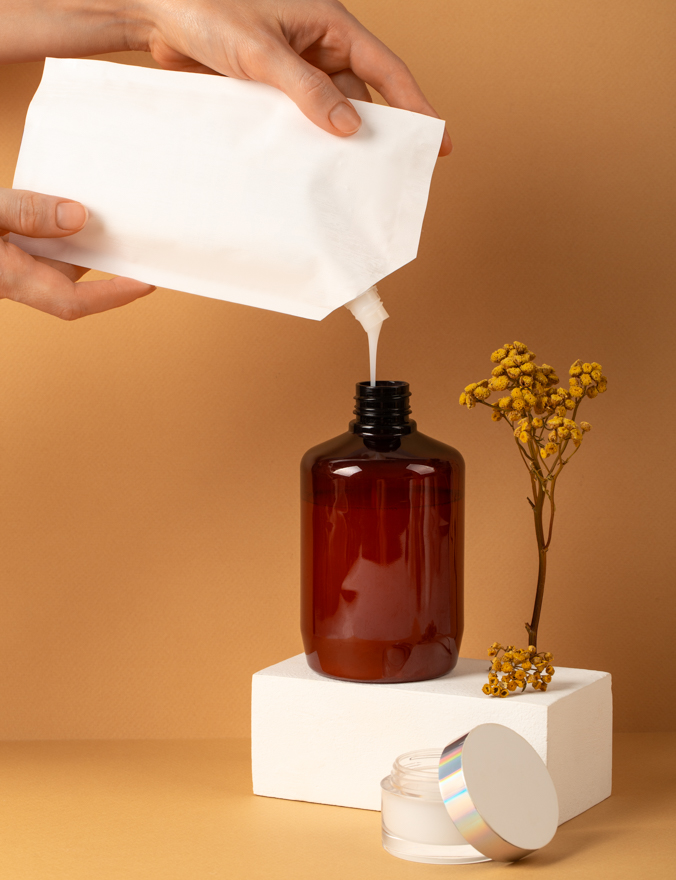
    The cosmetic sector first started innovating in sustainable formulas: natural ingredients, eco-friendly materials to respect natural skin as well as the environment. It was a matter of time that packaging also took a step into sustainable and natural materials. Since the European government no longer allows single use plastics and bans those companies that don’t invest in sustainable strategies, the packaging sector has been forced to rethink their business strategy. Sustainability is no longer an option but a must, therefore cosmetic brands are now searching to work with partners that work with recycled, reusable and refillable packaging. 

    The refill challenge is huge for cosmetic brands which use light, and water sensitive products. However, in products like perfume refillable packaging is common. Thierry Mugler fonts enable consumers to refill their mitic fragrances such as Angel or Alien and recently other brands as Dior have joined the movement with their new refillable Sauvage, for facial routine. 

    The refillable facial serum

    Biotherm has also given a step further in sustainability and created a source to refill their most emblematic product: Life Plankton Elixir Serum. Giulio Bergamaschi, global president of Biotherm reveals the challenges that the brand has had to face: “fragrances are easy solutions to refill due to their high percentage of alcohol content, which avoids the formula’s contamination due to its inherent antimicrobial properties. Skin care formulas are usually more sensitive and made of active ingredients. 

    As a consequence, the skin care formula is a set back for refillable systems. For example, in the case of Life Plankton Elixir, as well as the patented Life Plankton ingredient, the formula includes probiotic fraction in its highest concentration (5%), hyaluronic acid and Vitamin C. In order to ensure quality and stability of the formula, Biotherm has worked with Possible Future to create a source capable of guaranteeing a secure and effective formula.  The complexity of the process ensures that the formula remains in perfect use conditions. 

    The refilling process takes seven minutes. It is complex and has several steps. The first step is key: it is the disinfection process of the empty bottle. Before each refill, the package is cleaned with purified water to make sure it is completely empty and doesn’t contain any trace of formula. After, it is dried with filtered air and sterilized with ultraviolet light. Next, every bottle is placed in a recharging zone and refilled with Life Plankton Elixir fórmula. The closure is replaced for a new one. 

    The Blue Fountain of Life Plankton is a pilot project in Madrid available until de 1 of April at the Biotherm space in El Corte Inglés- The aim is to grow the project and offer the machines in other selling points. If the technology adapts successfully to the product, the brand will also try to adapt the refillable strategy to other products. 

    This system rewards consumers that use it through a 15% discount for every refill of the serum. Additionally, the package is customized with a wave: every wave means every new life that is being granted to that package. As more waves as a package wears, less waste will we be creating for the planet. The aim of the project is to encourage consumers to reuse and be sustainable by reducing the quantity of plastics. Nowadays the waste we generate due to cosmetic plastics is one of the biggest threats for the environment. 

    Refillable shampoos and soap

    Other beauty brands are also promoting reusable packaging. Since 2012 L’Occitane de Claudio Coello store in Madrid, counts on fountains to refill aluminum bottles with your favorite shampoo and body soap from the Verbena and Verbena Cítrica brand. 

    The french brand explains that the fountain is made of cellulose and cast and counts with a smart mechanism with sensors that enable the customers to refill their product easily. Furthermore, L’Occitane also offers eco-recharges: reusable packages that the customer can use to save up money and also contribute to a cleaner planet. 

    Hair products brands of the P&G group such as Pantene, h&s, Herbal Essences and Aussie, have presented recently their 100% reusable aluminum bottles and refillable shampoos with 60% less plastics than standard ones. 

    Elio Estevez, sustainability and communication director of P&G Iberia, explains that this launch supposes a change in the consumers habits, but that thanks to the easy use and reuse of the bottle, they are convinced that the consumer will adapt to it. This innovation will suppose a cut of 60% in the use of plastic of the brand and as a consequence, less impact on the environment. 

    The spanish brand Freshly Cosmetics also counts on the refillable option to recharge their products like the Detox body soap or the Vibrant shampoo. Furthermore, Germaine de Capiccini offers three different facial skin care with their eco-recharge, a refillable and recyclable package that can be placed inside the original packaging. Even the famous artist Rihanna with her Fenty Skin brand is investing in refillable and rechargeable packaging. 

    All in all, a new way of consuming cosmetic products is making its way in the sector, a new and sustainable path based on reusing and reducing. Recycling is no longer enough, now cosmetics are focusing on refilling. 

    Are you looking for refillable packaging?

    Contact us at Molpack and we will help you find the right solution in our sustainable catalogue. 

  • How to innovate in sustainability and packaging

    How to innovate in sustainability and packaging

    While there has been significant development in inventive and ecological packaging—from mass market to prestige—bottles and tubes, to refillables—much is dependent on consumer habits and perceptions. Will these initiatives be noticed by eco-conscious beauty customers? Will people be prepared to pay a premium for items created from recycled materials or choose for innovative reusable refillables? In terms of inventive packaging, what does the future hold?

    Shiny foil substrates were usually utilized in cosmetics packaging to provide appealing eye-catching attraction and alluring impulse purchase. The current tendency is to eliminate all types of plastic, including film, windows, vacuum forms, and other forms of plastic. The issue is to maintain the package’s aesthetic attractiveness and eye-catching attributes while also making it ecologically sustainable so that the firms can demonstrate their commitment to responsible packaging. 

    As sustainable materials advance, suppliers must be innovative in incorporating them into both primary and secondary packaging. When a potential consumer sees the package on the shelf, the images must still entice them. 

    In the beauty sector, sustainability is becoming increasingly important. Consumers believe the best sustainable packaging has recycled content and is easily recyclable, according to our study. Refillable and reusable solutions are also becoming more popular. Over the next several years,there will be a lot more innovation in terms of designing for recyclability.

    Eco-friendly packaging

    As we all may know, this is no longer a trend but an obligation since even public institutions and the European government are taking serious measures to ensure the protection of the environment. Thanks to these measures and also the consumers’ decisions to support sustainable brands, eco-friendly packaging is increasing in the last years.

    81% of spanish population take into account the environmental impact of packaging and therefore decide to buy a product or another depending on the packaging material used. In terms of plastic, it is a very good option to use recycled plastic or reusable plastic since it is the easiest material to recycle at recycling plants. Apart from being sustainable it is lighter than other materials like glass and also can be used in direct contact with the product in contrast with materials like cardboard. For cosmetic products, plastic is the best primary packaging option. 

    In case you want to use a box as a secondary package, it can also be a good option if you are going to sell your product at e-commerce or transport it. It ensures a double protection for your product and can also help you create a more surprising unboxing. 

    Customisation in the cosmetic sector 

    Connectivity has disrupted customer behaviour irrevocably: 78% of consumers prefer customized products. Personalization at scale will continue to grow as a trend that will enable distinctive and memorable experiences. That is the reason why the world’s most successful companies are those who are able to adapt to their customers needs and preferences. 

    There is nothing that captures more the attention of consumers than differentiation in communication. This can sometimes mean being disruptive and risking your brands’ image to make a difference and revolutionize the market. This is the case of Fenty Beautys’ communication. Consumers are constantly searching for a brand that promotes self confidence and transparency in a natural and human way. We can see in Rihannas’ campaigns how she uses different body models and promotes diversity and self love which is also reflected on her product: Fenty is one of the only brands that offers many different types of make-up foundation for every type of skin color. 

    Customisation and inclusion is no longer a trend in this case, it is also a necessity and a movement that represents values such as equality and human rights. These new types of product also come with different packages to offer a complete customisation experience. The reason why this brand has become so popular is because it offers 40 different skin tones. This product revolutionized so much the cosmetic industry that in 2017 was nominated one of the 25 best inventions in the Times. Every make-up foundation came with a transparent aesthetic packaging which represented the values of the brand and also helped the customer to identify more easily their skin tone. 

    With this example, we can see how consumers are looking for products that adapt more to their needs in a very personalized way. Creating the ideal packaging is always about representing brand values so that consumers can easily associate the product to the brand even before seeing the name. 

    H2 How to customise packaging in 3D easily

    From Molpack our aim is to keep on offering an excellent service to our clients and help them be as successful as possible with their customers. That is why we have invested in optimizing our prototyping processes by integrating a 3D catalogue so that our clients can directly customize our packages online whenever they need it. This new process will accelerate the validation of projects and also improve the experience for our clients. 

    By transforming our catalogue into a 3D tool, not only are we going to be able to accelerate the prototyping processes and improve our clients’ experience, but also to create a more sustainable process. Thanks to 3D visualisation we are able to reduce a big amount of physical prototypes and this means avoiding unnecessary pollution that comes from transportation. 

    3D packaging customisation will enable your brand to visualize faster how your brand identity looks on our packaging. Furthermore, it will allow to reduce errors when launching a product and to even analyse before the launch of a product how the design will impact on your customer behavior through focus groups and interviews. 

    Visit our website and enter our 3D catalogue

    Choose the package that best suits your products’ needs. 

    Customize it online in 3D: change the color, try different finishes, add your artwork… You can even send the link to your team so they can visualize and validate it. 

    Finish the customisation and send it to us through our website with your contact details. We will receive your customisation in 3D with the dielines and graphics attached to it and your contact info. 

    Our team will contact you as soon as possible to start the project. 

    Receive your command.

    H2 Find the right supplier to optimize your packaging projects

    From Molpack we help our brands accelerate their time to market through the latest software to customize our packaging in 3D and validate it in real time. Our 3D configurator is currently accelerating x3 brands time to market when launching new customized products and adapting faster to the markets’ trends. 

  • Post-Pandemic Color Cosmetics Packaging Essentials

    Post-Pandemic Color Cosmetics Packaging Essentials

    Consumers and brands are looking for cosmetics that are memorable, efficient, and long-lasting. 

    As Covid cases decline, cheeks pink, and smiles emerge, the Lip and Cheek categories are ready for enhanced exposure—and a strong retail comeback—as Covid cases drop, cheeks blush, and smiles emerge.

    «Clean beauty,» which has never been more popular, is still driving industry trends. #CleanLook, the newest beauty trend to sweep over TikTok, according to Trendalytics, is all about improving natural beauty, with Illuminating Foundation, Light Brown Eyeliner, and Ice Globes leading the way.

    According to Future Market Insights, the color cosmetics market is expected to grow at a 5% CAGR from 2021 to 2031, owing to increased e-commerce and continuous desire for «natural and organic» and «cruelty-free» products (FMI). By the end of 2021, the worldwide color cosmetics industry, according to FMI, will have surpassed $50 billion.

    «As the masks come off and we return to a new normal,» says APR Packaging CEO John Shen, «all areas of color have been fast rising as the consumer comes out wanting to look and feel his or her best.» The lip category has taken a major knock, but it’s on its way back!» 

    Prestige has already started to rise. «As consumers resumed social and work activities, face makeup product sales, including foundation, primer, and tinted moisturizer, grew double digits, as did makeup-setting sprays and removers,» Larissa Jensen, vice president, beauty industry advisor, The NPD Group—and a member of Beauty Packaging’s Board of Advisors—reported in late January 2022.

    Cream and stick blushes, as well as other products popular on YouTube and other social media platforms, grew in popularity in the beauty sector. Furthermore, according to Jensen, across all beauty brand categories, companies developed by makeup artists and social influencers had the biggest revenue growth. 

    The list of bestselling cosmetic products is topped by celebrities with large social media followings. Money.co.uk has examined more than 182 million Google searches and 105 million social media posts from the previous 12 months to identify the top 100 celebrity-owned firms based on search traffic and social buzz in areas such as beauty and cosmetics and skincare.

    Huda Beauty (Huda Kattan, 49.7 million Instagram followers), Kylie Cosmetics (Kylie Jenner, 25.4 million), Fenty Beauty (Rhianna, 10.2 million), Jeffree Star (Jeffree Star, 6.4 million), and Florence by Mills rounded out the top five (Millie Bobby Brown, 2.6 million). 

    The Color Cosmetics category, too, is rebounding «after a sharp fall in 2020,» according to Mintel. The worldwide research firm’s Color Cosmetics 2021 report predicted a recovery in the sector due to a drop in Covid-19 instances and a return to greater socializing.

    Drivers of Sustainability 

    Color Cosmetics manufacturers are going all out to provide sustainable solutions that meet customer (and government) demand, whether it’s for the Eye, Lip, or Cheek. 

    «As customers become more aware of the effect of their shopping decisions, they’ve grown to expect their favorite companies to do their part to limit packaging waste,» says Shen of APR Packaging.

    «Sustainability is a significant motivator for all color cosmetic packaging innovation,» Musa Dias, chief marketing officer at WWP Beauty, tells Beauty Packaging. 

    Refillable systems, decreased carbon emissions, recyclable packaging, less plastic/less material, mono-material construction, and packaging optimized for disassembly are just a few of the sustainable solutions offered by WWP Beauty to meet the different demands of each customer.

    «Many of our clients have sustainable packaging deadlines to meet,» says our sales director Roger at Molpack. However, he claims that the answer is more complicated than just switching virgin plastic for PCR because many businesses have very particular sustainability goals to accomplish.

    «Most of our environmentally conscious businesses want totally recyclable products, some want to remove plastic entirely, and others are developing eco-friendly improvements to the way specific items are packed,» Roger notes. «This presents fantastic prospects for Molpack, since we have invested extensively in new material research and moved toward more environmentally friendly packaging alternatives.» The difficulty is to develop solutions that do not increase prices or negatively impact performance, and customers want to see or feel the sustainability.» 

    Every Clover product is wrapped in a recyclable material. Bioplastics, reusables, and recycled/recyclable paperboard are also used by the business. Clover is a Plastic Neutral Certified firm, meaning they remove an equal amount of plastic from the environment for every pound of plastic they generate (including post-consumer recycling). The goods are created using the Clean15 formulation approach, which limits each item to 15 or fewer components that have been thoroughly tested for safety. All of the goods are cruelty-free, vegan, and produced in the United States. 

    The pandemic has also hastened how customers want beauty firms to include sustainable components into their goods. 

    «The conversion to PCR materials, combined with refill and mono-material package designs, is the most demanded for businesses with environmental objectives.» «Portable and customisable formats are appealing for late-stage distinction and convenience,» Roger explains. 

    Molpack currently manufactures high-quality cosmetics and skincare components certified chemically recycled materials in Europe providing sustainable packaging solutions. ISCC Plus accreditation assures cosmetic businesses that recycled content claims are verified by an impartial third party.

    What Impact Has Covid Had on the Color Cosmetics Industry? 

    «As manufacturers try to deal with the present sales situation,» Roger adds, «Covid has clearly affected/delayed introductions.» 

    While the epidemic has had certain drawbacks, it has also provided new possibilities for brands, suppliers, and retailers. Beauty companies and retailers have been pushed to pivot their operations. While this disruption has brought in many obstacles, it has also offered firms an opportunity to alter and innovate.» 

    «Brands have grown more cautious with colors and are pursuing a more minimalistic approach in both packaging and formula,» says Angela Munoz, vice president of sales at Roberts Beauty, citing some of the changes in the Color category. The transition from color brands towards skincare or color with skin benefits that we witnessed at the start of the epidemic is still strong, while color-based brands continue to focus on those categories.»