Categoría: Concepts and trends

  • How to position your brand with the correct packaging

    How to position your brand with the correct packaging

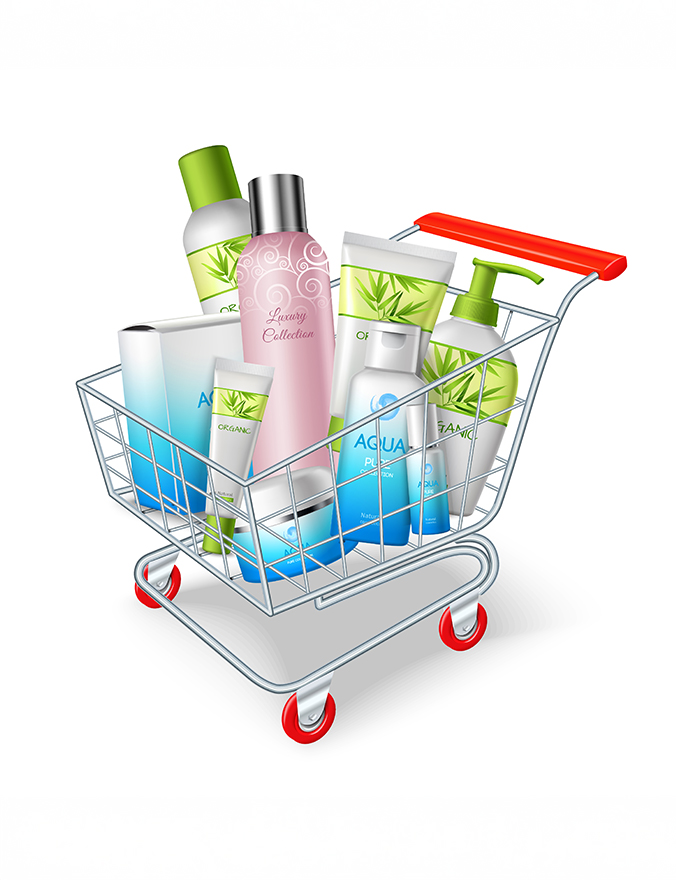
    If there is a type of product which attracts us more for its packaging and presentation than for its components, formula or characteristics it’s beauty products. 

    The main goal of beauty and cosmetic packaging is to capture the attention of potential customers. How many of us are currently using daily skincare products and have no clue of the main components of the formula? We may know the basic ingredients of our skin care mask, but what really influences our purchasing decision when choosing a beauty product is its packaging, the brand communication through marketing that promotes the product and, all in all, the storytelling that the brands communicate to the consumer through their packaging. 

    Since packaging is part of the storytelling of the brand, cosmetic packaging needs to fulfill two main requirements: provide the necessary technical information of the products’ formula and proper use instructions and at the same time, transmit the values and storytelling of the brand to stand out from competitors and convince customers to buy their product rather than their competitors. 

    How can we design a good packaging?

    A good packaging is one which reflects so perfectly a brand’s image that you don’t even need to see the logo to know which brand it belongs to. That is why it is so important to plan a strategy that aligns the brands’ image with it’s packaging and at the same time creating a design that is attractive, functional and reusable. The packaging must transform into a valuable part of the product. 

    In order to create successful packaging, you have to take into account multiple aspects. First of all, which is the product you are going to pack and second of all the target. It is very important that your package adapts to the target: it is very different to create a cosmetic product for teenagers than for adults, the package must be ergonomic for any public. The functionalities and brand image will be very different and so will be the packaging design. 

    Aswell as analysing the brands’ image and target, it is also important to analyse which competitors there are in the market in order to stand out and not have a similar packaging, since it would mean a problem for the brand. 

    A concept symbiosis

    Packaging design is about the main design of the content but also the graphic design. Both complement each other and must be aligned: the graphic design of a package must depend on its shape. 

    Another aspect to take into consideration is the material that is going to be used since it’s not the same to decorate a plastic package than a glass one. The material will depend on the size and density of the product and also the fragility and resistance: if a product is fragile we will need a package that can prevent it from any possible damage. 

    And last but not least, we must ensure that the package is easy-to-use and intuitive for our main target. If we are designing a cosmetic packaging that is thought to be used by millennials who travel a lot, we need to design a smaller sized package that is easy to take away and has a safer opening system. 

    Changes in packaging trends

    Although your packaging must represent your brand values and must be aligned with your communication strategy, you also have to take into account the different trends that are in the market and that attract more consumers. 

    Since the beginning of packaging creation, there have been numerous changes in the market and in the design sector that have influenced packaging design. That is why it is always interesting to know the latest trends and technologies in the design sector to adapt faster to the time to market.  

    One of the marketing trends that nowadays consumers expect from brands is creating experiences and sensations for the consumers. Brands no longer sell products, they sell values and experiences and one of the tools to create experiences is packaging. Think about how influencers use unboxings or how a cool package design can make customers take a picture and post it in their social media accounts. 

    Therefore, packaging must be thought to experience with all our senses, that is why we can now also find smart packaging that is easy to transport and focused on final users. 

    Another aspect to take into account is that sustainability is no longer a trend but a must have. Brands have to develop their eco-friendly strategy and, of course, this affects packaging. Thanks to the new european circular strategy and the customers demand for sustainable solutions, brands have no other option than to be sustainable. 

    Customisation to engage with clients

    Customized packaging is a trend that consumers are also demanding from brands. According to a Nielsen study, 66% of customers prefer brands that offer customized products. If brands achieve to offer customized packaging that adapts perfectly to their customer, they will improve their  engagement and stand out from other competitors. 

    Do you need sustainable and customized packaging?

  • Waterless cosmetic: from sustainable packaging to sustainable product

    Waterless cosmetic: from sustainable packaging to sustainable product

    The increasing demand of sustainable packaging solutions for cosmetic products has promoted the development of eco-friendly cosmetic products. For this reason, numerous studies have decided to analyse the environmental impact of water-based cosmetics and why waterless cosmetics are the perfect alternative if we want to be more sustainable. 

    Water is one of the main components of cosmetic products. This ingredient is famous for its capacity of dissolving water soluble solids and active gases. According to Shanu Walpita, trend consultor and founder of Futurewise Studio, water is usually applied as a soluble component or to improve the consistency and application of a product. If we think for a moment, the majority of cosmetics that we use contain water as the main component: from cleaners to serums, gels, or even our daily perfume. 

    When we add some water to our composition, the product gets a softer and ductile texture, the opposite to balsams and cosmetic butter creams that we can find in the market. Despite the fact that many skincare products are water based, water can be contraindicated not only for our bodies but also the planet. As a consequence, a new wave of waterless products have been launched to the cosmetic market to revolutionize it and make a difference. 

    The problems of water based cosmetics

    Nowadays the majority of cosmetics are designed to be apart from profitable, durable. For both of these reasons, water is a perfect component because it is not an expensive resource and also reduces the contamination of the product. Nevertheless, water is also a source of germs and contaminants. According to Susanne Langmuir, founder and director of aN-hydra, a cosmetic brand with waterless products, the reason is simple: where there’s water, there is bacteria. The same way we need to save and protect food in the fridge so it can be conserved properly, the water based cosmetics need conservants that prevent bacteria from growing. 

    The problem is the relation between convervants and some problems in the immune system even in complex reproduction. Moreover, though water can appear to be a hydrating component, it has been demonstrated that cosmetic water based products dry skin and hair since when the water evaporates it also absorbs the majority  of natural oils of our skin. Not to mention that sometimes when water evaporates, our skin can react to synthetic emulsifiers, fragrances or cosmetic colorants. In extreme cases, our skin could become irritated, inflamed and could even appear small rashes, states Walpita. 

    In case these reasons aren’t enough, when using water as a main component for cosmetic products it can also suppose a negative impact on the environment. It is known that nowadays, there are 8.3 thousand million plastic tons in the planet due to the cosmetic industry because of packages that  can’t be recycled easily and that are made of different materials. Water is also a component that makes it harder for packaging to be recycled. 

    The increase of waterless cosmetic products

    The development of waterless cosmetics started in Corea and started to expand through the rest of the world in 2015 with all types of products for hair, skin and even makeup: cleaning balsams, makeup powder, oils, body butter, face masks, serums…

    At the beginning, the aim of deleting the water component in cosmetics products was to improve the efficiency, states Glendean Rehvan, responsible for skincare products at Intrend. Some brands had started to lead the change with innovative formulas that didn’t use water in their composition. Nevertheless, this idea has come to the attention of consumers and as a consequence, big brands of the cosmetic sector have had to attend this new customer demand. According to Rehvan, nowadays waterless cosmetics’ aim goes beyond the efficiency of products since their main focus is finding a cleaner formula for the environment, reducing the  pollution and adapting better to travelling restrictions. 

    The quantity of single-use plastics used in North america is absolutely embarrassing. Therefore one of the main preoccupations of the cosmetic sector is finding an alternative that offers the same results in terms of quality without generating the current amount of waste. According to Arden Teasdale, executive director of Unwrapped life, a specialized company in waterless hair treatments, they prefer using stick formats for their solid shampoos which is a better alternative that contributes to the planet. 

    Makeup brands are also adapting to this new waterless trend and are starting to innovate with new compositions. An example of a brand that is following the trend is Pinch Of Colours, they have launched a product line of 12 waterless lipsticks and 6 makeup foundations for different skin tones. Another example is Vapour, the brand created 97% of waterless products, and 100% waterless lipsticks and face cosmetics. 

    Due to the increased concentration of the formula, waterless products are usually more expensive than the traditional products and also offer a better quality since they are made from other natural components. The dermatologist, Joshua Zeicher confirms that the technology needed to develop this kind of cosmetics influences the pricing. However, pricing shouldn’t be an inconvenience, we have to think that since the product is more concentrated, we need less quantity and therefore it lasts more. 

    Waterless cosmetics aren’t the perfect solution

    Despite the fact that brands are investing in waterless formulas because they appear to be more sustainable, this product range isn’t the solution to the environmental problem that the cosmetic industry is facing. “Water is used in the entire life cycle of a product: from the extraction to the processment of the ingredients and components, the production, product filling, transport and final use” stated Sarah Jay, the director of Toxic Beauty documentary. Therefore, brands have to take into account how they use water and analyse in which stages they can reduce the use. 

    We are actually in a point where water is becoming a limited resource. As a matter of fact,two third parts of the population will face extreme dry seasons in 2025. The global crisis due to scarce water reservation will be the key motivation for companies to change the use of water. 

  • The stick format is the new revolution of the packaging sector

    The stick format is the new revolution of the packaging sector

    Packaging is so important it can even justify the price of a product: it is the first impression of a customer and therefore, has the responsibility of representing the brands’ image.

    However, there seems to be a new format that is revolutionizing the packaging sector because of its flexibility and commodity that adapts best to the accelerated lifestyle of the nowadays customer. The new Stick format also known as “solid beauty” is a format that is usually applied to products such as deodorants or lipsticks, but we can now also see them applied to new formats of makeup such as Max Factor who is using it for makeup foundations. Not to mention Lush, who is using solid beauty for solid soaps, bath bombs or other beauty and cosmetic products. 

    Sustainable and practical packaging solutions are increasing the demand of products with stick format; especially in continents such as Asia, according to the «Stick Packaging Market: Global Industry Analysis»,  a study published in Zion Market Research. The increase of stick demand is due to the fact that our current society pursues simple, sustainable and practical solutions and that the cosmetic market is investing in innovation to adapt to these new packaging challenges. 

    In fact, according to Mintel, the leader intelligence market agency, the increase of stick solutions is not only because of the change of the consumer behaviour towards sustainable solutions but also the response to covid-19: we are looking for more hygienic packaging in which the product isn’t in direct contact with our hands. 

    For one reason or another,  nowadays we can find any cosmetic product in solid format: from a facial tonic to a water bar or even exfoliants or face masks. There are even brands that only offer their product in stick format. This is the case of Nusa, their brand was born under the concept “more use and less waste”, a claim that represents an ethical and sustainable philosophy. Their product is also vegan and with a really instagramable look. 

    Why is stick format a good option for consumers?

    The solid beauty concept has many benefits for the nowadays consumer since It is a travel friendly product. If you’re going to catch a flight  and you can’t live without your cosmetic products, don’t panic. With stick products, you don’t have to follow any restrictions like when you use liquid solutions. Another benefit is that you will never spill your favorite foundation since the product composition avoids the use of water. Last but not least, stick format is comfortable to carry since you can save up space in your suitcase. 

    Which brands are using stick format?

    Brands such as Milk is one of the most demanded brands from young consumers and open to innovation. Milk was born at a creative agency at the South of New York, their main values were to express street culture through a collection of formulas such as CBD + Solid Arnica body oil, cannabis or other non psychoactive substances extracted from Tennessee that surprise consumers. Furthermore, Milk chooses recyclable packaging that comes from hemp fiber post-consumer waste; or Melatonin night serum, a night serum made of extracts of the silk tree (Albizia, considered like the Prozac of herbs, commonly used as an antidepressant in asia) which helps to balance the levels of melatonin that the skin produces to keep a fresh and healthy skin. 

    Makeup is also a category that is taking advantage of this practical format. Brands such as Marc Jacobs and their innovative body tan or the luxurious Westman Atelier created by the famous Gucci Makeup artist Westman with creative blushes that come in stick format. Westman Atelier claims to follow the “Clean Beeauty” trend with natural products that avoid chemical formulas and synthetic ingredients that can harm the skin, instead she uses ingredients such as: alcaparra extract, camelia oil and mango seed or extracts Cupuaçu butter through biotechnology. All in all, brands are not only taking care of the consumers’ skin through natural ingredients but also of the natures’ health through eco-friendly packaging and processes. 

    Other products that are following the stick trend are also the after-shave balsam from House 99. A stick that permits a precise application of the product since it elevates facial hair at the perfect angle to allow the user to focus only on the areas that need to be shaved. Other examples are solid shampoos with a purifying effect for oily scalps produced by vegan brands such as Cut By Fred. 

    Where can I find stick solutions for my packaging?

    From Molpack we have stick solutions for innovative cosmetic brands that are looking for these types of solutions to adapt to the new lifestyle of consumers. 

    We offer stick solutions for 8ml and 12ml made of sustainable plastic and with many decoration possibilities: from varnish, to serigraphy, lacquer finish, termo or engraved.

  • five packaging trends for 2022

    five packaging trends for 2022

    The cosmetic packaging sector is one of the markets with more fast-changing trends. In order to make sure that your brand is competitive and meet the consumers’ expectations in this global market, it is essential to follow the latest trends in the market.  

    In the following blog, we will help your brand to identify the 5 main trends that will be in the cosmetic market until 2022. 

    Customisation and social impact

    There is nothing that captures more the attention of consumers than differentiation in communication. This can sometimes mean being disruptive and risking your brands’ image to make a difference and revolutionize the market. This is the case of Fenty Beautys’ communication. Consumers are constantly searching for a brand that promotes self confidence and transparency in a natural and human way. We can see in Rihannas’ campaigns how she uses different body models and promotes diversity and self love which is also reflected on her product: Fenty is one of the only brands that offers many different types of make-up foundation for every type of skin color. 

    Customisation and inclusion is no longer a trend in this case, it is also a necessity and a movement that represents values such as equality and human rights. These new types of product also come with different packages to offer a complete customisation experience. The reason why this brand has become so popular is because it offers 40 different skin tones. This product revolutionized so much the cosmetic industry that in 2017 was nominated one of the 25 best inventions in the Times. Every make-up foundation came with a transparent aesthetic packaging which represented the values of the brand and also helped the customer to identify more easily their skin tone. 

    With this example, we can see how consumers are looking for products that adapt more to their needs in a very personalized way. Creating the ideal packaging is always about representing brand values so that consumers can easily associate the product to the brand even before seeing the name. 

    Sensorial packaging

    Sensorial packaging is one of the future trends of packaging. It consists in seducing the consumer through small details such as adding materials in the caps, using perfumed labels or using innovative printing techniques. The aim of sensorial packaging is to connect with the consumer through a new buying experience that implies all senses: sight, touch and smell. 

    This type of packaging is born from ecommerce since its aim is to provoke a reaction in the user when he or she unpacks a product. Since opening a product at home is not the same as a buying experience at a shop, brands have to be innovative and try to be as close as  possible to create a unique unboxing experience. That is where sensorial packaging starts: the first seconds that a consumer holds his new product, it is essential to cause a good impression through packaging. To stimulate the different senses and create an exciting environment is possible thanks to packaging that has been previously thought and designed for that main purpose. 

    Multisensorial communication can be achieved in many different ways, using touch through different materials or emphasizing smell through perfume. 

    One way or another, a good packaging always attracts the user, but an innovative design will be an unforgettable experience for the user. In order to fidelize clients, it is essential to surprise our consumer. So why not use all our senses?

    Eco-friendly packaging

    As we all may know, this is no longer a trend but an obligation since even public institutions and the European government are taking serious measures to ensure the protection of the environment. Thanks to these measures and also the consumers’ decisions to support sustainable brands, eco-friendly packaging is increasing in the last years.

    81% of spanish population take into account the environmental impact of packaging and therefore decide to buy a product or another depending on the packaging material used. In terms of plastic, it is a very good option to use recycled plastic or reusable plastic since it is the easiest material to recycle at recycling plants. Apart from being sustainable it is lighter than other materials like glass and also can be used in direct contact with the product in contrast with materials like cardboard. For cosmetic products, plastic is the best primary packaging option. 

    In case you want to use a box as a secondary package, it can also be a good option if you are going to sell your product at e-commerce or transport it. It ensures a double protection for your product and can also help you create a more surprising unboxing. 

    On-the-go packaging

    Our fast and accelerated lifestyle requires products that are capable of adapting to it. That is why one of the worlds’ most innovative trends is the on-the-go. It’s been a long time since this concept has been present in the food market with fast-food or take-away coffee, therefore it wasn’t going to take long for other sectors to adopt it.  

    Many times we can see small make-up formats or soaps that are used for travelling. But nowadays it’s more commun to find consumers that are looking for these types of formats for their day-to-day lives. Being part of a stressed and fast-changing society in which we spend most of the part of our day outside of home, we need beauty products that can be easy to transport with us. 

    Therefore, one of the most popular trends is reduced formats: packaging in small sizes that are compact and easy to transport and can fit in any pocket, bag or even your purse! The on-the-go cosmetic has to be easy to apply and its packaging has to be designed for a comfortable, simple and precise application. 

    The portable cosmetic concept will shape the future of products and packaging. Reinventing, adapting and modifying is essential for companies that want to be part of the day-to-day of their customers. 

  • The guide to understand the post-covid consumer

    The guide to understand the post-covid consumer

    COVID-19 has been a huge challenge to society and has indeed affected many businesses across the world. As a consequence,  companies have had to adapt to this new normality in order to survive and shape the future of the economy.  The question we are going to answer in this blog today is: how does the customer behave in the new normality?

    The advertising agency Sra Rushmore has launched a Post Pandemic Report in which we can understand the present of the market and how it will shape the future with the aim of helping brands understand the behaviour of the new customer. 

    Starting point: before the pandemic

    In november 2019, companies discussed how the economy would grow +1,5% in 2020 and also salaries 2.2% due to the decrease of the inflation rate. In general terms, the data predicted was normal and habitual. Our social order is based on wealth and individualism; we are taught to buy in order to achieve success and happiness. Since we are childs, we are taught to compete with the argument of “be the best version of yourself”. 

    According to Yuva Noah Harari, he states that we haven’t been raised with values such as empathy, altruism or collaboration and now we are paying the price. 

    Where are we now?

    Out of the blue, we find ourselves in the middle of a pandemic and a world-wide crisis that has not only affected our present but will also shape our future. Why didn’t we think this could happen to us?

    According to the study presented by the agency, the problem is the lack of attention to the warnings that the scientific community was giving. Throwback to 2020 when OMS informed that COVID-19 wasn’t considered dangerous and that international organisms had faith in the non-evolution of the virus. 

    Moreover, Sra Rushmore points out the excess of optimism as another reason for our actual situation. Other studies also state that 80% of the global population live under the influence of the “optimistic bias”, that is to say, that we believe that no matter our age, race or gender we think that things will turn out good for us though the general prediction states the opposite. 

    As a consequence, many daily decisions that seem impartial are influenced by this optimistic bias and believing that we have more control over the situation than we actually have. In order to avoid these situations in a future, the agency predicts that: 

    We have to be more realistic and assume risks

    We will learn to be more socially committed and emphatic 

    We will restructure our productive necessities in order to be prepared for future events and not suffer the actual consequences. 

    Changes in consumers’ behaviour

    Since we have had to deal with new normality with no experience: confinement has definitely changed the way we see and live to 60% of people. And some of these changes have already been perceived during quarantine. 

    Some of the data that state these changes are: the consumption of flour has increased 170% and even the consumption of mass through TV has increased 88%. Board games have also experienced a growth: monopoly has had 327% more sales!

    All in all, we have to face covid and adapt to the pandemic since we are still battling through the virus: the future is uncertain and the population is worried. 

    New concerns

    92% of population is concerned about the economic consequences

    60% believe that their salary will be cut

    51% are afraid of losing their job

    40% have freezed their investments in projects they were going to do. 

    As a consequence, there are new consumer habits and behaviors:

    The acquisition of food has increased 73% as its considered a basic necessity

    There has been a 60% increase in laptop sales 

    There have been significant changes n the way we consume media:

    The media that has increased the most is Gaming (271%)

    The digital platforms that have also increased are Youtube (+55%) and Message apps (61%). 

    And of course the use of WIFI has increased 57% due to remote work. 

    Having been able to be at home more hours than we had ever imagined, the future will be a balance between autonomy and social welfare, we will pass from the ego-system to the ecosystem. 

    The brands’ role in the crisis

    The new focus on social responsibility has increased in the last months from an individual and a collective perspective. Many companies have lead by example adopting measures never seen before: 

    Changes in production: companies such as Inditex have dedicated their efforts to produce materials for face masks. 

    Donations: companies have donated and raised funds to battle the pandemic. 

    Freemium models: other companies have given free access to their contents and services during confinement. 

    The attitude and capacity of many companies to deal with the different challenges of the crisis through collaboration have reflected brand values and positioned their companies as socially responsible. From the consumers side it has been very valued. 

    Rating the communication of brands during the health crisis

     80% prefer love, confidence and happy messages

    60% value flexibility when adapting to changes

    40% value the concerns for loneliness 

    According to the study, consumers look for communication that talks about the daily situation and not focused on products, they prefer brands that talk about values. Socal innovation has become a fundamental topic for brand storytelling and strategy. Even 55% consumers think that brands have more power than the government to build a better future. 

    Future trends in communication

    The importance of critical thinking: thanks to the informative use of the internet and its global use, the necessity of understanding situations and developing critical thinking will be a must. 

    Focus on wellbeing: there will be an increase in data to control our health and physical and mental wellbeing. But this could even be used as a tool to divide society. 

    Social capital: collaboration, commitment and voluntary work will increase. 

    Local presence and global relevance: we will feel a part of the global community and at the same time, the local economy will improve thanks to technology. 

    At the same time, there will be microtrends due to the health digitalisation and brands’ commitment: 

    Therapeutic brands: brands will be more than just product sellers, they will offer on/off experiences for users. 

    Health tech: medical consultants and online pharmacies will grow to avoid bottlenecks at hospitals. 

    Social media wellbeing: in order to find the balance and promote a healthy use of media, wellbeing platforms will be developed to help consumers. 

    Micro learning: There will be faster courses and training to improve the users’ abilities. 

    Workaconomics: there will be labour improvements linked to the reconciliation of work and family life and improvements in consideration models that will go much further than money: relaxation programs, wellbeing in order to boost productivity. 

  • How COVID-19 is changing the world of beauty

    How COVID-19 is changing the world of beauty

    The cosmetic market has always been a very resilient sector, but how will the sector adapt to the global COVID19 crisis? In this blog we are going to share the key aspects of the McKinsey and Company study that analyses how the pandemic has affected the beauty world.

    The cosmetic market has always been a very resilient sector, but how will the sector adapt to the global COVID19 crisis? In this blog we are going to share the key aspects of the McKinsey and Company study that analyses how the pandemic has affected the beauty world.

    The market currently generates $500 billion in sales and accounts for millions of jobs. Due to covid-19, the global beauty industry that comprises skin care to color cosmetics, hair care fragrances and personal care) has decreased its first-quarter sales and even has forced to close some stores.  

    The industry has been smart and has fastly started to launch products that adapt perfectly to the current market with hand sanitizers and other cleaning agents, also providing free beauty services for frontline response workers. 

    The short-term effects of Covid19

    Consumers have always been loyal to the beauty market even in times of global crisis like the one we suffered in 2008: the cosmetic market had a small sales decrease but it bounced back quickly in 2010.

    As for COVID-19, market data proves that this is the biggest recession for sales in the beauty sector since in China sales fell 80% in February of 2020 and then bounced back in March with only a 20% decrease. This quick rebound might be explained by the lipstick index which states that people consider lipstick as an affordable luxury which they can buy despite going through a tough economic phase. 

    How are selling points changing due to covid19?

    Before COVID-19 the majority of consumers bought their cosmetic products at stores, even millennials preferred going to shops than buying online (60%). Due to the pandemic, stores were forced to close and therefore, approximately 30% of the beauty industry market was shut down. These new openings will take more than a year to reopen again and will even make stores not be able to open again. Here are several ways that covid19 has changed how cosmetic beauty is being sold:

    Online sales have increased but haven’t compensated the decline in in-store sales: 

    e-commerce sales in the beauty sector have scaled up upto 20-30% in webshops like Sephora US or Amazon. 

    Beauty products at essential retailers are down: while other markets such as food haven’t been affected by covid since their usual mass-stores and retailers continue to be opened, in the cosmetic sector mass beauty stores and chains have been forced to close their doors to consumers. Therefore, consumers have also spent 50% less on beauty products than usual.

    China shows that though they can reopen stores again, the in-store shopping return has been slow: the post-covid has demonstrated that despite revenge spending, sales have not fully recovered. The traffic remains down 9 to 43 percent compared with pre-COVID levels. Malls have also experienced a slow recovery since their reopenings: there is still a 30-70% decrease in sales in the first quarter of 2020.  

    Brands and retailers are using promotions in order to attract more consumers and be able to clear inventory. Several prestige brands are being forced to use upto 40% discount Promotions also help move unsold seasonal inventory. As beauty-product brick-and-mortar stores reopen, we expect to see more promotions aimed at reclaiming customer foot traffic.

    How is covid affecting the sales of different cosmetic products?

    Covid-19 has changed our daily routines: from having to go to our office to do our meetings to online calls and working remotely. This has indeed affected the cosmetic sector since people wear less makeup and fragrances. Therefore products such as foundations or lipsticks have decreased in sales. Nevertheless, due to the mandatory use of face masks, skin health has been affected in a negative way: people are experiencing more rashes, irritation due to the lack of fresh air and ventilation. As a consequence, there has been an increase in the demand of skin care products for daily routines and cosmetic treatments such as skin-care, hair-care, and bath and body products which appear to be benefiting from the self-care and pampering trends.

    Other products from the beauty industry that have increased their sales due to the pandemic needs is soap. According to NPD, which tracks the consumer spending and point-of-sale data, it states that the sales of luxury hand soap in France has increased 800% in March 2020 when the country faced the first lockdown. The famous e-commerce Zalando, which is Europes’ largest fashion and lifestyle ecommerce store, reported a boom in self-care beauty categories with products such as: candles, detox products, sales of skin, aromatherapy nail and hair care products. The sales in this category boosted 300%.

    Another trend that is growing among consumers due to covid19 is DIY (Do it yourself) beauty care. As covid19 is easily spread in public places, people are afraid of attending their usual beauty salon or hairdresser for their beauty treatments, therefore a big amount of consumers prefer to look up on the internet how to take care of their skin and hair themselves. DIY products have increased upto 166& their sales according to Nielsen report during April 2020. Consumers are relying on influencers’ tutorials on Instagram and youtube videos in order to learn how to do their hair and skin care routine. At this point, it is super important that brands develop a strategy with their key influencers to reach their target audience. In addition to the fear of infection, there are also the economic difficulties that consumers are facing due to the global crisis that is keeping them from spending money on luxuries such as skin care or hair treatments. “COVID-19 crisis, given the loss of jobs and savings. In McKinsey’s survey of UK consumers, 66 percent believe their finances will be affected for at least two months because of COVID-19, and 36 percent say they are cutting back on spending”.

    Long term impact of covid

    There will be three main trends that covid has accelerated but will for sure stay in the beauty market. 

    Digital continues to rise. Pre-COVID-19 trends will likely accelerate, with direct-to-consumer e-commerce, such as brands’ websites, shoppable social-media platforms, and marketplaces becoming more important. Beauty-industry players will need to prioritize digital channels to capture and convert the attention of existing and new customers. On the operations side, the use of artificial intelligence for testing, discovery, and customization will need to accelerate as concerns about safety and hygiene fundamentally disrupt product testing and in-person consultations.

    The pace of innovation accelerates. Even before the pandemic, brands were under pressure to overhaul their product-innovation pipelines, inspired by the ability of digital-native direct-to-consumer brands to go from concept to cupboard in less than a month. Now, the need for speed is even greater. To achieve it, there may be a greater role for contract manufacturers, both to diversify (and thus reduce production risks) and to serve as thought partners in product innovation. 

    M&A rises as multiples fall. With the COVID-19 crisis causing significant damage to the balance sheets of brands, retailers, and suppliers, many companies will need to find new sources of capital. 

    While the beauty industry may be in a relatively stronger position than other consumer categories, 2020 will be one of the worst years it has ever endured. We believe, however, that the industry will remain attractive in the long run. The COVID-19 crisis is likely to accelerate trends that were already shaping the market, such as the rise of the global middle class and the use of e-commerce, rather than mark entirely new ground.

  • How cosmetic brands are accelerating their time to market

    How cosmetic brands are accelerating their time to market

    Nowadays, consumers are looking for packages that are “Instagramable” and also sustainable. It is impressive how brands are adapting fastly to these new movements and trends in order to meet the customers expectations before the competence does. Refillable and reusable packaging are no longer a “nice to have” but more a must have. 

    These new demands and customer expectations are forcing brands to express their sustainable values and brand positioning through one of the most powerful communication tools: packaging. 

    Speed to market is how you keep ahead of your competitors

    But how can large brands with rigid structures adapt faster to these new trends in order not to miss the selling opportunity? Forbes said speed to market for products and technologies is “vital to ensure long-term competitiveness”, and this is particularly essential for larger beauty behemoths to keep up with the nimbler drugstore competitors

    “Fast beauty” has always been the big opportunity for smaller brands that can be more competitive and flexible when creating their values and gaining engagement with the customer. An example is how smaller companies can shave down its product-time-to-market time to a mere 13 weeks in comparison with large brands that can take longer than 9 months. This competitive advantage makes smaller brands grow up to 4.8% according to market measurement firm Nielsen.

    In order to accelerate these processes, choosing the right package and making sure it is on time is essential. 

    Most of the big brands, when they want to do something agile, launch as a whole new brand. According to Benjamin Punchard, Global Packaging Insights Director, Mintel; I’ve seen a lot of small niche brands that have been launched by the big houses in order to tap into an emerging trend because they’re testing the waters.

    Start-ups and indie brands cannot afford to stock and they source packaging on demand, so quick turnaround is essential. A surge of these businesses is entering the market during the pandemic to meet emerging consumer demands. Many are doing so with great success, being small and agile and quicker to adapt to market changes. 

    In fact, due to the Covid-19 crisis and uncertainty of the future, time to market and agility have become important for all brands, not just indie brands.

    By instilling these relationships, brands can ensure connections and the ability to adapt quickly to beauty’s evolving global consumer. It also helps establish relationships with packaging converters that are going to be providing the novel technologies going forward.

    How to choose the right package to accelerate the process?

    1. More is less: simplicity as key to speed-to-market 

    In beauty, trends are fluid. In make-up in particular, trends change rapidly and pack design needs to be optimised to adapt to shifts in demand. The US is a particularly fast-moving market, with high demand for short lead times.

    When thinking about design, the key to adapting fastly to changes is choosing simplicity to ensure adaptability and flexibility. For those brands without backing from big beauty players, the fewer components required within the pack design will ensure speed-to-market. 

    From Molpack we are specialists in creating packaging for the beauty sector and our aim is to help clients succeed in their projects. Since innovation is one of our core values, we provide a fast service through 3D customisation in which we help the client co-create their design with us and choose the best option to improve their speed-to-market. 

    2. Sustainability is a must

    Since 2020 we have amplified the number of eco-friendly solutions and therefore offer a new Eco line of packaging in which you can find a refillable jar, injectors, tottles and click pens. 

    Our value proposition  stands above our product therefore we focus always on designing and producing the best packaging solutions for our clients that guarantee the least environmental impact for the planet. In order to achieve this goal, at Molpack we invest in innovation as a key driver to keep on developing projects that support our eco-friendly focus:

    Packaging that is 100% recyclable

    Solutions that are lighter and therefore more eco-friendly

    Refillable packaging

    Using the latest sustainable materials available in the market.

    3. Find the right supplier to optimize your packaging projects

    From Molpack we help our brands accelerate their time to market through the latest software to customize our packaging in 3D and validate it in real time. Our 3D configurator is currently accelerating x3 brands time to market when launching new customized products and adapting faster to the markets’ trends. 

    Need more help?

    In case you are looking for a specific solution for your product, our team of experts can help you choose the packaging solution that will adapt best to your cosmetic product. You can contact us and we will do the rest.

  • How to recycle cosmetic packaging

    How to recycle cosmetic packaging

    Did you know that 50% of people don’t even try to recycle their empty containers as it is deemed “inconvenient”? The so called incommodity results in 2.7b plastic bottles of solely bathroom waste hitting landfills every year. But beauty product packaging is specially confusing and tricky to recycle. That’s why in this blog we are going to talk about how to properly recycle your beauty products. 

    Check municipal recycling regulations

    It is very important to make sure you know your cities’ legislation and recycling possibilities so you follow the correct rules. In case you don’t know how to check this information, you can always use resources such as EARTH911, Recycle Coach or How2Recycle. 

    Some tips you have to take into account are recycling arrows. These arrows don’t mean that the packaging can be easily recycled. According to s TerraCycle’s resident beauty industry expert Gina Herrera, you have to pay attention to the number inside the triangle: the packages that contain number 1 or 2 are usually the type of plastics widely recyclable in the curbside recycling programs. If your cosmetic products have these two numbers you can deposit them in the plastic container. 

    What if you don’t find any information?

    If you have a used package with no instructions on how or where to recycle, luckily there are companies that are offering solutions to avoid waste. Terracycle has partnered up with Nordstrom and have created Beautycycle, a free program in which consumers can drop off their empty packages regardless of the brand (L’ÓREAL, GARNIER, Herbal Essences…) and will make sure that they are correctly recycled. In fact some of these big brands work together with TerraCycle to properly process waste. 

    “Beauty packaging sent in to TerraCycle for recycling will be shredded, cleaned, and sorted by plastic type,” explains Herrera. “The plastic shreds will then be melted and formed into small plastic pellets that can then be molded into a wide range of plastic products like plastic lumber, decking, and playground equipment.”

    There are also other programs such as The Back to M.A.C which was created in 1990 would exchange customers’ 6 empty packaging containers for a new product (lipstick, lipgloss or a single eyeshadow). 

    In Germany deodorant spray cans were also collected. The recycling programme R’cycle!by Unilever and drugstore chain “dm” also benefited children here: almost 800 bicycles could be made from the recycled aluminium for charitable institutions.

    Mono Material recycling

    The easiest type of packaging to recycle is mono material, the one that is made of one only material because at recycling plants they don’t need to separate the different materials. The separating material process is usually the hardest one: if the materials aren’t well split and are cross-contaminated, they can’t be reused and therefore become waste. 

    If your product is made of one only material like plastic, glass or cardboard you can simply rinse it and toss it directly into its respective recycling bin. You don’t need to remove labels or sleeves from the product since it’s done with special heated machines at many MRFs. It is important that you always empty out any excess of the product because you ensure that chemicals don’t end up in waste streams. You can simply rinse the packaging with water.  “When something is contaminated with residual liquid, not only can you not recycle it but it ruins other recyclables,” says Calvin Lakhan, PhD, co-investigator for York University’s Waste Wiki project. A study done for Environment and Climate Change Canada reports that in Canada, we throw away 87% of plastics.

    What can’t be recycled?

    Aside from the technicalities of location, there’s also the fact that many makeup products cannot be recycled. The top culprits are anything with a mirror, pump, applicator, or magnet, and makeup brushes, too. «There’s not a pump in the industry that’s recyclable,» Āether Beauty founder Tiila Abbitt previously told Refinery29.

    As hard as it sounds, there are products that cannot be recycled since there isn’t any machinery prepared and aren’t accepted at recycling plants. Here you have a more detailed list:

    Small products for example, all travel and portable beauty products can’t be recycled 

    Dark packaging can’t be recycled since they can’t be identified by MRF machines.

    Other products that contain: mirrors, magnets, makeup brushes, sheet masks and packets and squeezable tubes.

    Which cosmetic brands are offering recyclable and reusable solutions?

    As a customer, the best thing you can do in order to ensure that you are going to be able to recycle or reuse properly, is to buy products from brands that believe in sustainability and offer eco-friendly solutions. Some examples of brands that have worked with Molpack in order to develop their sustainable packages are the following: 

    Isdin: from Molpack we have worked with Isdin in order to help them fabricate recyclable products and constantly re-design their packaging to minimize use of materials and natural resources.

    Cantabria Labs is also a cosmetic brand that is working on sustainability through eco-friendly solutions in packaging. Their aim is to improve the quality of life through the development of activities that take care of the environment. 

  • New technologies to create brand experience online

    New technologies to create brand experience online

    Brand engagement is one of the biggest challenges when creating a brands’ identity. Connecting with the customer is key in order to stand out from the competence and capture their attention. Thanks to nowadays technologies such as AR, 3D or virtual reality, brands can create unforgettable experiences for their customers.

    What is AR

    Since virtual and augmented reality are making their way into almost every segment of our daily lives, it is only natural that they also trickle into marketing, an industry that nowadays heavily relies on digital media. As you may know, augmented reality is an interactive experience of the real-world through 3D technology that can be sometimes multisensory. 

    According to Mark Zuckerberg “The incredible thing about  AR technology is that you feel like you are actually present in another place with other people. People who try it say it’s different from anything they’ve ever experienced in their lives.”

    The main benefits for your marketing strategy are: 

    Building a relationship with clients: using AR for marketing and communication campaigns for a brand is an excellent way to connect with your target, especially if it’s millennials. New technologies and experiences always spark interest and wonder. 

    Entertainment: AR is basically a way to communicate your brand message through entertainment and an interactive storytelling. It is an enjoyable experience with which you will be able to be closer to your client and engage with him at the same time he has fun and learns more about your brand. You can even use it to create a transmedia narrative that can start offline and end up online. 

    Customizable content for the user: The main benefit of VR and AR would be that it creates such value through personalized content and new business models.  AR allows every brand to create its unique experience.

    Raising brand awareness: Virtual and augmented reality are the new channels for increasing brand awareness because they have the personalized characteristics of social media, yet people can experience content on a deeper level, from the first-person perspective.  For example, Coca-Cola in Poland promoted the Christmas spirit through AR that allowed customers to become Santa Claus. 

    Help customers in buying decisions: AR and VR experiences can be measured by marketers to apply metrics and create a strategy to attract these potential customers. Using these technologies in a creative way and applying the correct messages can result very effective to sell. 

    How to use AR for your brand 

    Virtual tours: show your customers around from home

    If you have an interesting manufacturing process or a very nice store, you can consider giving a tour to your customers that might be interested in living the experience of travelling to your stores (and now more than ever with covid19). Thanks to the possibilities of virtual reality, your clients will be able to transport themselves wherever they are to your store or factory and live the real experience from any part of the world. They might even be able to walk and discover new things. 

    An example of a brand that is using AR for a virtual tour is NYX. They have announced a virtual concert starring Bebe Rexha and an AR pop-up shop. For their Spring 2021 production collection, the cosmetic brand has created a multi-platform to present a virtual concert and a shop tour. The Snap-chat powered virtual store allows customers to dive into a fully immersive shop experience. The experience is gamified and customers can even try on their products. 

    In order to create the experience, NYX has used the Thriller app and Snapchats’ camera. Users can access the NYX Professional Makeup virtual store environment through a variety of entry points: through the custom branded Snapchat Lens in the Snapchat Lens carousel or in the Triller app, by using Snapchat to scan a Snapcode. 

    In addition to the concert, Bebe will guide fans to the NYX Professional Makeup AR shopping experience where they can engage with virtual beauty try-ons, arcade-style digital games, and exclusively explore the newest products. The virtual store will remain open to consumers well into 2021, with quarterly updates featuring future launches.  

    Virtual tours are a great way to introduce your spaces to customers who might not be able to visit them due to distance or covid19. Furthermore, clients can visit your factory or store whenever they please since it’s online and live the experience.

    New launch 

    An innovative way to present a new product is using AR so clients can have an idea of how it looks and works. 

    Product testing through virtual reality can be applied to a wide range of product types, from apparel and footwear to cars and other means of transportation, even to travel packages and real estate. Your customers will be grateful for the chance of trying out the product, and let’s face it – testing new things in virtual reality is just a fun experience for everyone.  Imagine your clients could try out how your new lipstick looks on them, it would be for sure an attractive experience. 

    3D experience for Cosmetic Packaging

    From Molpack we have created a 3D experience for beauty brands to select their perfect package and see in real-time how their brand would look on our package. Our aim is to create an enjoyable experience as well as offering a fast and effective service to our customers. 

    You can live our 3D experience here and play with our designs.

  • How can we influence the consumers’ buying decision?

    How can we influence the consumers’ buying decision?

    How will the shops of the future be? Who will visit them? and most importantly: how are we going to convince people to buy our products? 

    Though we may not know the answer to these questions, what we do know is that packaging will always remain a key factor to present a brand to the customer and therefore it will be part of the buying decision process of a customer. 

    In this blog we will analyse four strategies that help brands be at the “top of mind” of consumers. Some of them are strictly related to packaging. 

    Capture consumers’ attention

    Where do shoppers go when they visit stores? Retailers have discovered some interesting facts. For example, DS SMITHs’ study “Consumers behaviours” points out that 47% of millenials prefer staying at external aisles of the supermarkets rather than internals. 

    What can retailers and marketing professionals do so that these types of customers go further to the internals aisles? Packaging and displayers are key elements to attract the targets’ attention, especially if we consider that millenials and younger generations are usually using their phones as part of the shopping process. 1 out of 3 people use mobile apps while shopping at a store. In order to compete in social media, it is very important that our brand stands out through our packaging design. 

    Raise brand awareness online

    The customers’ purchasing decisions always have an impact on other people. Undoubtedly, social media has multiplied this effect, as a consequence, e-commerce brands use unboxing videos as an important communication strategy. As you may know, unboxing videos are those in which the consumer records himself opening the product and where packaging is the main character that has the mission of making a positive impact and creating expectation. These type of videos are nowadays a powerful element to impact in the consumers decision. On the one hand, videos of customers’ bad experiences opening online packages discourages new clients, One of the main reasons of a negative unboxing experience is the excess of packaging.  On the other hand, positive comments on the internet also have an influence on the purchasing decision of other people. If a company creates attractive packaging so that customers record unboxing videos with a good review on their social media, their products will end up on Youtube, specially if brands attract the correct influencer for their target. Influencers are key in generating online content and attracting the younger targets such as millenials and creating the WOW effect. 

    Therefore, investing in a better and attractive packaging can also permit us to obtain free publicity of our product.

    Offer transmedia content

    Transmedia content is using different channels online and offline in order to communicate our brands’ values. It is based on using the potential of the different communication channels in order to transmit a better story that reflects the brands’ identity. If we use different channels it is also important to think correctly about our strategy: we can’t communicate the same way online on Instagram than offline at a store shelf. Every media offers different possibilities and we can take advantage to be original and build a story that breaks the barriers between the different channels. 

    For example, we can use an online channel such as social media and then interact with the customer offline through our packaging. Packaging design plays a very important role to present the product and to ensure a positive experience for the client. Furthermore it has to be resistant enough to stand the devolution process, a fundamental aspect for the online and offline retailers. The perfect balance between a satisfactory unboxing and the delivery experience is an important challenge. 

    Connect with consumer

    As well as impacting on stores, technology has made an impact on consumers. Nowadays it is a common aspect to see consumers scan QR codes or bar codes on packages or even on packaging designs on wine tags. This evolution is partially caused by the new generations of intelligent mobile phones that include new features such as QR scanning in their cameras. 

    Nevertheless , this scanning process provides something else apart from information. Nowadays, brands are using packages to give access to:

    Customised offers that link the product to customers data such as sex, shopping preferences…

    Authenticity to guarantee that clients are buying original products

    Special experiences such as augmented reality 

    Retailers and brand owners are incrementing the use of these cutting-edge technologies, especially now that digital printing on packages enables changing fastly store promotions depending on the demand, seasons or campaigns. 

    All in all, the customer’s experience is an essential aspect to raise brand awareness and have a positive impact on the customers’ purchasing decision. Therefore, it is key that our packaging has a great design and that our communicative strategy is alined on all the brands channels: from offline to online.